

Introduction
Every trader, whether beginner or experienced, aims to maximize profits while minimizing losses. However, without a clear strategy, trading can quickly become risky and inconsistent. This is where the concept of a risk reward ratio calculator becomes essential. It helps traders evaluate potential trades before entering the market, ensuring that every decision is backed by logic rather than emotion.
A risk reward ratio calculator allows traders to measure how much they are willing to risk compared to how much they expect to gain. Instead of guessing or relying on instincts, traders can use this tool to structure trades more effectively. As a result, it becomes easier to maintain discipline and avoid unnecessary losses.
Moreover, understanding the risk reward ratio is not limited to professional traders. Beginners can also benefit greatly by learning how to use it early in their journey. It creates a strong foundation for consistent performance and long-term success.
In this guide, we will explore everything you need to know about the risk reward ratio calculator, including how it works, why it matters, and how to use it step by step. By the end, you will have a clear understanding of how to apply it in real trading scenarios.
What is Risk Reward Ratio Calculator?
A risk reward ratio calculator is a simple yet powerful tool that helps traders determine the potential profit of a trade relative to its possible loss. In basic terms, it compares the amount you are willing to risk with the amount you aim to gain.
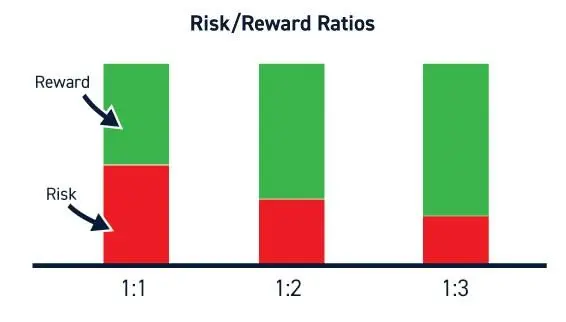
For example, if you risk $10 to make $30, your risk reward ratio is 1:3. This means for every dollar you risk, you expect to earn three dollars in return. The calculator simplifies this process by automatically computing the ratio based on your entry price, stop-loss, and take-profit levels.
This tool is commonly used in various markets, including forex, stocks, and cryptocurrencies. Regardless of the market, the principle remains the same: always ensure that the potential reward justifies the risk.
Additionally, the risk reward ratio calculator helps traders stay disciplined. Instead of entering trades randomly, it encourages a structured approach. This reduces emotional trading and improves overall decision-making.
Why is Risk Reward Ratio Calculator Important?
Understanding the importance of a risk reward ratio calculator can significantly improve your trading performance. It is not just about calculating numbers; it is about building a sustainable trading strategy.
First, it helps manage risk effectively. By knowing how much you stand to lose, you can protect your capital and avoid large drawdowns. This is especially important for beginners who often underestimate risk.
Second, it improves consistency. Even if you lose several trades, a favorable risk reward ratio can still keep you profitable. For instance, with a 1:3 ratio, you can lose two trades and still make a profit on the third.
Third, it removes emotional decision-making. Many traders enter trades based on fear or greed. However, using a risk reward ratio calculator ensures that every trade is based on clear logic.
Finally, it supports long-term growth. Trading is not about winning every trade; it is about managing risk over time. With the help of this tool, traders can focus on consistency rather than short-term gains.
Detailed Step-by-Step Guide
Step 1: Identify Entry Point
Before using a risk reward ratio calculator, you need to decide where you will enter the trade. This is usually based on technical analysis, such as support and resistance levels or trend patterns.
Choose an entry point that aligns with your strategy. Avoid entering trades randomly, as this will affect the accuracy of your calculations.
Step 2: Set Stop-Loss Level
The stop-loss is the point where you will exit the trade if it goes against you. This defines your risk.
For example, if you buy a stock at $100 and set a stop-loss at $95, your risk is $5 per share. Always place stop-loss levels logically, not emotionally.
Step 3: Define Take-Profit Target
Next, determine where you will exit the trade in profit. This is your reward.
Using the previous example, if your take-profit is $115, your potential reward is $15. This creates a risk reward ratio of 1:3.
Step 4: Use the Calculator
Now, input your entry price, stop-loss, and take-profit into the risk reward ratio calculator.
The calculator will instantly show your ratio. This saves time and ensures accuracy.
Step 5: Evaluate the Trade
After calculating the ratio, decide whether the trade is worth taking.
- If the ratio is 1:2 or higher, it is generally considered favorable
- If the ratio is too low, it may not be worth the risk
Always stick to your predefined criteria.
Step 6: Execute and Monitor
Once the trade meets your criteria, execute it with confidence.
However, continue to monitor the market. If conditions change, be ready to adjust your strategy while maintaining discipline.
Benefits of Risk Reward Ratio Calculator
- Helps traders make informed decisions before entering trades
- Reduces emotional trading and impulsive actions
- Improves long-term profitability and consistency
- Encourages disciplined risk management
- Saves time by automating calculations
- Works across multiple markets and trading styles
- Helps maintain a balanced trading strategy
- Allows better comparison between different trade setups
Disadvantages / Risks
- May oversimplify complex market conditions
- Does not guarantee success in every trade
- Requires accurate input to provide correct results
- Can be misleading if stop-loss and targets are poorly chosen
- Traders may rely too heavily on it without proper analysis
- Market volatility can affect expected outcomes
Common Mistakes to Avoid
One common mistake is ignoring the risk reward ratio altogether. Many traders focus only on potential profits and forget to consider the risk involved.
Another mistake is setting unrealistic take-profit levels. While aiming for higher rewards is good, unrealistic targets can reduce your chances of success.
Some traders also place stop-loss levels too close or too far. This can either result in frequent losses or excessive risk.
Additionally, relying solely on a risk reward ratio calculator without proper analysis is a mistake. The calculator is a tool, not a strategy.
Lastly, inconsistency is a major issue. Traders often follow the ratio in some trades but ignore it in others, leading to poor results.
FAQs
What is a good risk reward ratio for trading?
A good risk reward ratio is typically 1:2 or higher. This means you are aiming to earn at least twice the amount you risk. However, the ideal ratio depends on your strategy and trading style.
Can beginners use a risk reward ratio calculator?
Yes, beginners can easily use a risk reward ratio calculator. In fact, it is highly recommended as it helps build strong trading habits from the start.
Does a higher ratio guarantee profits?
No, a higher ratio does not guarantee profits. It simply improves your chances of long-term success. You still need proper analysis and discipline.
Is the risk reward ratio useful for all markets?
Yes, the risk reward ratio calculator can be used in forex, stocks, crypto, and other financial markets. The concept remains the same across all trading environments.
How often should I use the calculator?
You should use the risk reward ratio calculator before every trade. This ensures that all your decisions are well-structured and consistent.
Can I trade without using this tool?
While it is possible, it is not recommended. Trading without considering risk and reward can lead to inconsistent results and higher losses.
Expert Tips & Bonus Points
Professional traders always prioritize risk management over profits. They understand that protecting capital is the key to long-term success.
One useful tip is to combine the risk reward ratio calculator with technical analysis. This increases the accuracy of your trades.
Another important point is to stay consistent. Even the best strategy will fail if not applied consistently.
Keep a trading journal to track your ratios and results. This helps you identify patterns and improve over time.
Also, avoid overtrading. Just because a calculator shows a good ratio does not mean you should take every trade.
Finally, always adapt to market conditions. Flexibility, combined with discipline, leads to better outcomes.
Conclusion
The risk reward ratio calculator is an essential tool for traders who want to achieve consistent and sustainable results. It provides a clear framework for evaluating trades, helping you balance potential profits against possible losses.
By using this tool, traders can move away from emotional decision-making and adopt a more structured approach. This not only improves confidence but also enhances overall performance. Whether you are a beginner or an intermediate trader, understanding how to use a risk reward ratio calculator can significantly impact your success.
However, it is important to remember that no tool can guarantee profits. The calculator should be used alongside proper analysis, discipline, and a well-defined strategy. When combined effectively, these elements create a powerful system for long-term growth.
In the end, successful trading is not about winning every trade. It is about managing risk, staying consistent, and making informed decisions. With the help of a risk reward ratio calculator, you can take a major step toward achieving your trading goals.
